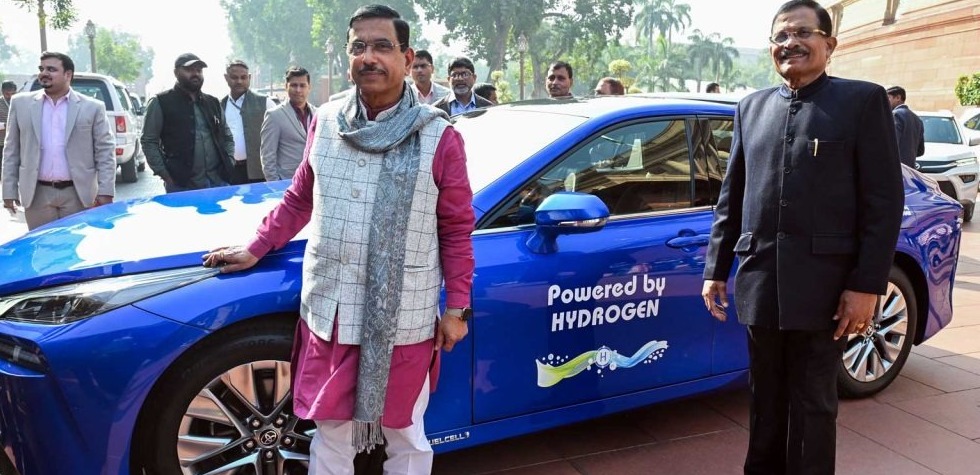
Yesterday, Union Minister for Women and Child Development Annpurna Devi launched a nationwide 100-Day Intensive Awareness Drive to strengthen child protection efforts, an initiative timed to coincide with the first anniversary of Bal Vivah Mukt Bharat (Child-Marriage-Free India). The programme seeks to mobilise districts, panchayats, schools and civil society for rapid awareness, early identification of at-risk girls, and fast action to stop imminent child marriages. The government framed this as a concentrated push to convert law and policy intent into on-the-ground prevention.
The paradox of decline amid persistence: what the numbers say
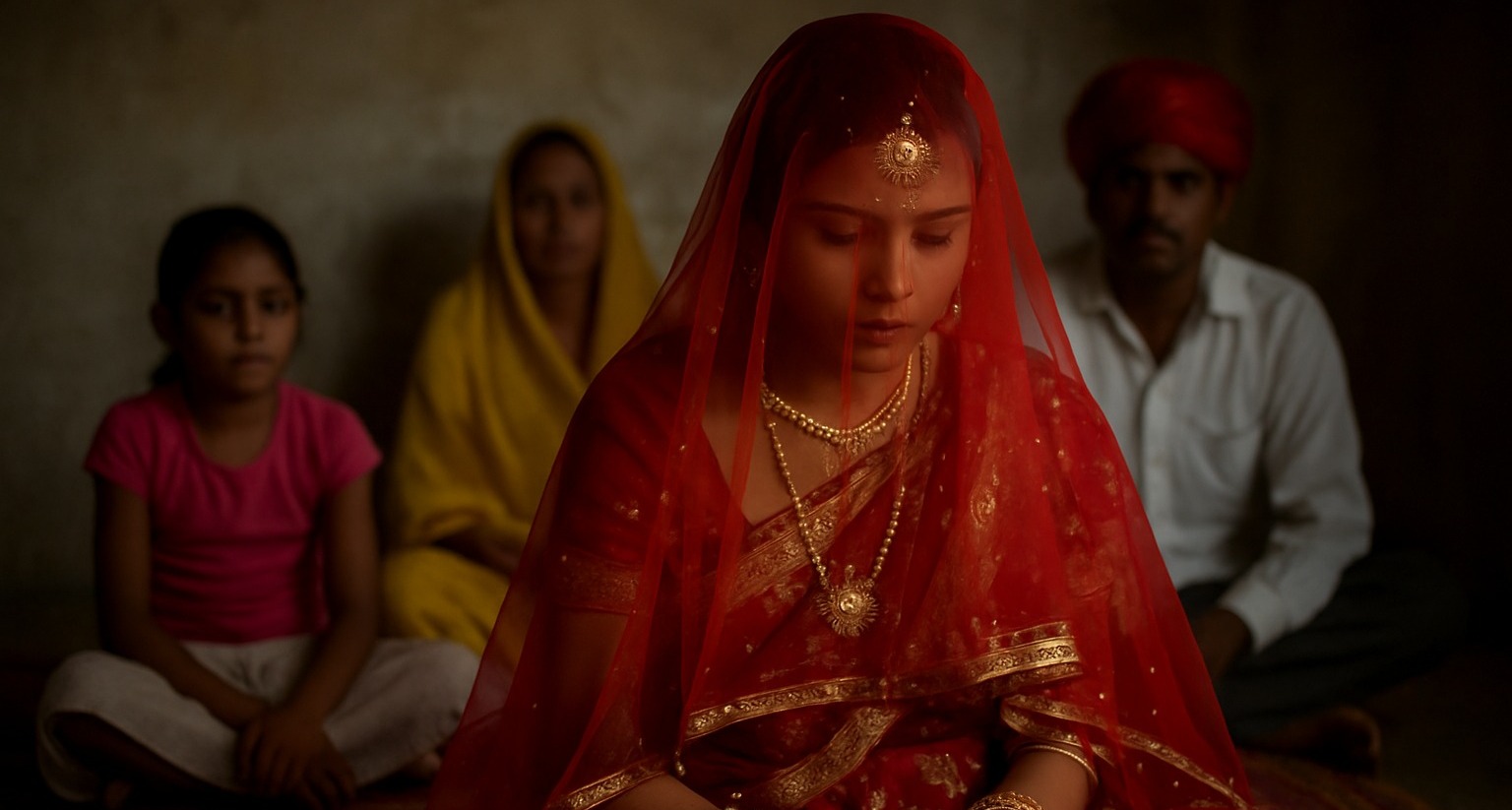
India’s long legal fight against child marriage, beginning with early provincial laws and formalised in the Prohibition of Child Marriage Act (PCMA), 2006, has produced measurable progress. The National Family Health Survey (NFHS-5, 2019–21) reports that 23.3% of women aged 20–24 were married before 18, a marked fall from earlier decades but still a sizeable share of young women whose childhoods ended in marriage. UNFPA’s analysis of NFHS rounds shows child marriage dropped from about 47.4% in 2005–06 to 26.8% in 2015–16, and to 23.3% in 2019–21, underlining steady but uneven progress.
These national averages hide stark state and socio-economic variations: several states, including Bihar, West Bengal and Tripura, register child-marriage prevalence above the national mean, with some districts showing alarmingly high concentrations. Addressing these pockets is essential if national targets are to be met.
Why child marriage persists: poverty, patriarchy and the education gap
The reasons child marriage continues despite strong law and campaigns are multiple and mutually reinforcing. First, poverty and precarious livelihoods push families to treat daughters as economic burdens. Marriage is often seen as a way to secure economic ties, transfer household responsibilities, or reduce perceived financial strain, especially where social protection and education support are weak.
Second, patriarchal norms and gendered social expectations remain powerful. In communities where girls’ honour is tied to family reputation, parents may prefer early marriage to prevent supposedly “risky” behaviour or to comply with social norms. These cultural frames normalise the practice even when families are aware of its harms.
Third, education gaps correlate strongly with early marriage. Girls with limited schooling or high dropout rates are far more likely to be married early; conversely, greater years of schooling delay marriage and improve economic prospects. Government schemes that incentivise schooling, and conditional cash transfers, have helped, but reach and retention remain challenges in lagging districts.
Legal architecture and enforcement bottlenecks
India’s legal framework, from the PCMA (2006) to related provisions under the Indian Penal Code and child protection rules, makes child marriage voidable and provides for criminal penalties and maintenance remedies. The law creates tools for protection officers, magistrates and police to intervene.
Yet enforcement is uneven. Reasons include low birth-and-age documentation (making age verification difficult), social resistance to police action, delayed reporting, and limited capacity of local child-welfare machinery. In many communities, marriage is arranged informally and consummation occurs clandestinely, complicating evidence gathering. Where victims or their families fear social ostracism, cases may never reach formal channels. This implementation gap, not the absence of law, often explains the persistence of child marriage.
Programmatic responses: what works and where to scale
India’s policy response combines legal deterrence with social and welfare interventions. Flagship campaigns such as Beti Bachao, Beti Padhao (BBBP) have sought to change community mindsets about the value of girls, while state schemes like Savitribai Phule Kishori Samridhi Yojana provide financial incentives and scholarships to keep girls in school, interventions shown to lower early-marriage rates in targeted areas. Evidence from states that combined education support, adolescent-health services and community outreach shows more resilient declines in child marriage.
The new 100-Day Intensive Awareness Drive and Bal Vivah Mukt Bharat aim to accelerate these proven interventions through concentrated mobilization: school lists cross-checked with marriage registers, district-level rapid response teams, involvement of ASHA and Anganwadi workers, and active engagement with Gram Sabhas and religious leaders. If paired with measurable monitoring and swift protection orders, such campaigns can convert short-term focus into sustained local practice change.
Tackling the structural drivers: from birth registration to livelihoods
To end child marriage sustainably, short-term campaigns must nest within long-term structural reforms:
• Universal birth registration and robust age verification. Accurate civil registration removes a common loophole used to justify under-age marriages.
• Girls’ education and retention. Scaling scholarships, safe transport, sanitation in schools and incentives for secondary schooling reduces dropout-linked marriages.
• Economic pathways for families. Social protection, conditional cash transfers and skill training for adolescent girls and their mothers alter the perceived cost–benefit calculus of early marriage.
• Community norms change. Working with local influencers, panchayat leaders, teachers, faith leaders, and sustained behaviour-change communications are vital to shift social expectations.
• Strengthening child-protection architecture. Faster FIR registration, better training for police and child-protection officers, and victim-sensitive support shelters are essential to ensure that legal remedies translate into real protections.
These structural measures dovetail with targeted enforcement and awareness to create an ecosystem where the law is backed by lived options and community support.
Measuring success: data, accountability and the road ahead
The NFHS trends are encouraging but confirm that India’s finish line is still some distance away. To accelerate progress, governments must combine granular data (district-level tracking of marriages, school retention, adolescent pregnancy) with accountability mechanisms, district scorecards, community grievance redressal and transparency in scheme delivery. Civil society and academia must keep providing local evidence on what interventions reduce early marriage in specific cultural contexts.
The 100-Day Intensive Awareness Drive and the Bal Vivah Mukt Bharat anniversary serve as an important reminder that progress requires both intent and intensity. After 95 years of laws and nearly two decades of modern statutes, ending child marriage is not merely a legal exercise: it is a socio-economic transformation project, one that links girls’ education, family wellbeing, gender equality and national development. As policymakers and communities now reconvene around this challenge, the central question remains practical and moral: will India convert statutory prohibition into universal protection, not by policing alone, but by ensuring that every girl has the opportunity, safety and social acceptance to grow, study and choose her future? The answer will determine not only legal compliance but the shape of India’s human capital for generations to come.